Upon intake and admission, we assign every CCI client an experienced case manager whose primary task is to coordinate all the components of the individualized treatment plan.
Case Management: The Big Picture
Upon intake and admission, we assign every CCI client an experienced case manager whose primary task is to coordinate all the components of the individualized treatment plan. Case managers ensure all the elements work together – psychiatry, counseling, medication, family factors, vocational/educational training – to give each client the best possible chance of both a successful treatment experience and a successful re-entry into their lives back home.
Case managers evaluate clients to define their strengths and challenges to help the clinical team build an appropriate therapeutic program. Case managers identify where our clients are doing well and where they may require professional help. This gives us a clear profile and allows us to build a program that’s tailored to meet patient needs. We use all this information to create programs that are laser-focused on the right things. We avoid spending unnecessary time and energy on things our clients don’t need.
Wraparound Support
Each state establishes a set of guidelines and a clear framework within which case managers support people in mental health and addiction treatment. Case managers can help integrate treatment components in areas of life essential to overall health and wellness, including but not limited to:
- Physical health
- Social health
- Home life
- Relationships
- Academic achievement
- Vocational achievement
- Financial education
During treatment, case managers help patients maintain continuity of care. When appropriate, case managers work with patients to create an aftercare plan for life upon discharge. Aftercare plans include things like:
- Plans for ongoing medical care, i.e. contact numbers for primary care doctors
- Plans for ongoing mental health care, i.e. contact numbers for counselors/therapists
- Times and locations of community peer support meeting like AA and NA
- Healthy lifestyle plans and resources: eating, exercise, social activities
- Mental health crisis/emergency plan
- Relapse prevention/relapse crisis plan
Evidence shows that this strength-based approach to treatment – meaning programs that transform liabilities into assets – gives patents the best likelihood of living an independent and fulfilling life after treatment. That’s our big picture goal for every patient, and our case managers play a key role in helping them achieve their short-term goals for treatment and their long-term goals for the future.


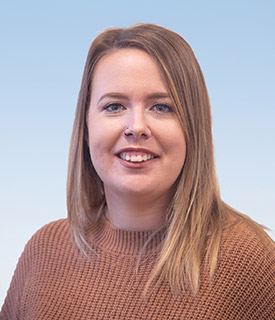 Kimberly Gilkey, RADT-1
 Amanda Irrgang, Registered Dietitian Nutritionist (RDN)
 David Abram
 Emily Skillings
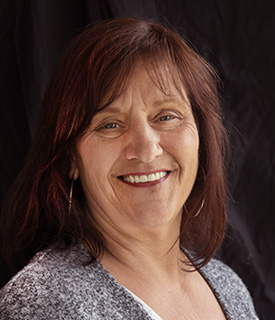 Michelle Ertel
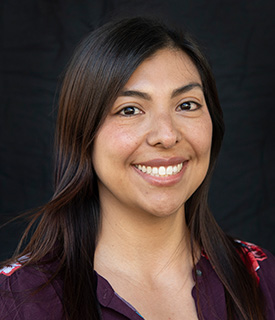 Alexandria Avalos, MSW, ACSW
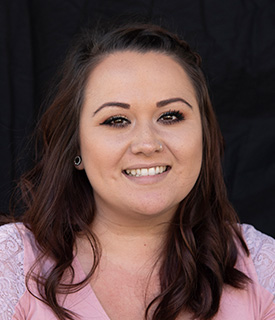 Jovanna Wiggins
 Kelly Schwarzer
 Timothy Wieland
 Amy Thompson
 Gianna Melendez
 David Dalton, Facility Operations Director
 John P. Flores, SUDCC-IV-CS, CADC II
 Jodie Dahl, CpHT
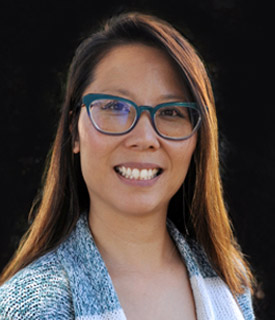 Christina Lam, N.P.
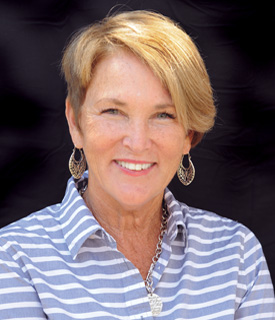 Kathleen McCarrick, MSW, LSW
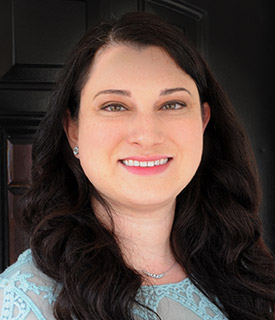 Alexis Weintraub, PsyD
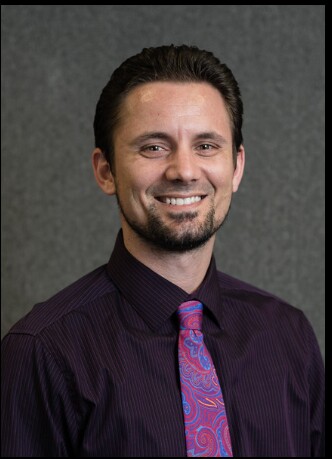 Jordan Granata, PsyD
 Joanne Talbot-Miller, M.A., LMFT
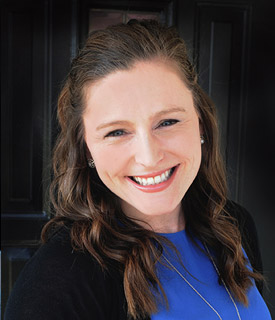 Brittany Perkins, MA, LMFT
 Brieana Turner, MA, LMFT
 Milena Dun, PhD
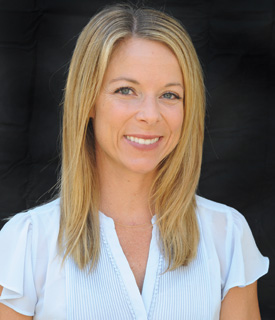 Rebecca McKnight, PsyD
 Laura Hopper, Ph.D.
 Nathan Kuemmerle, MD
 Jeffrey Klein
 Mark Melden, DO/DABPN