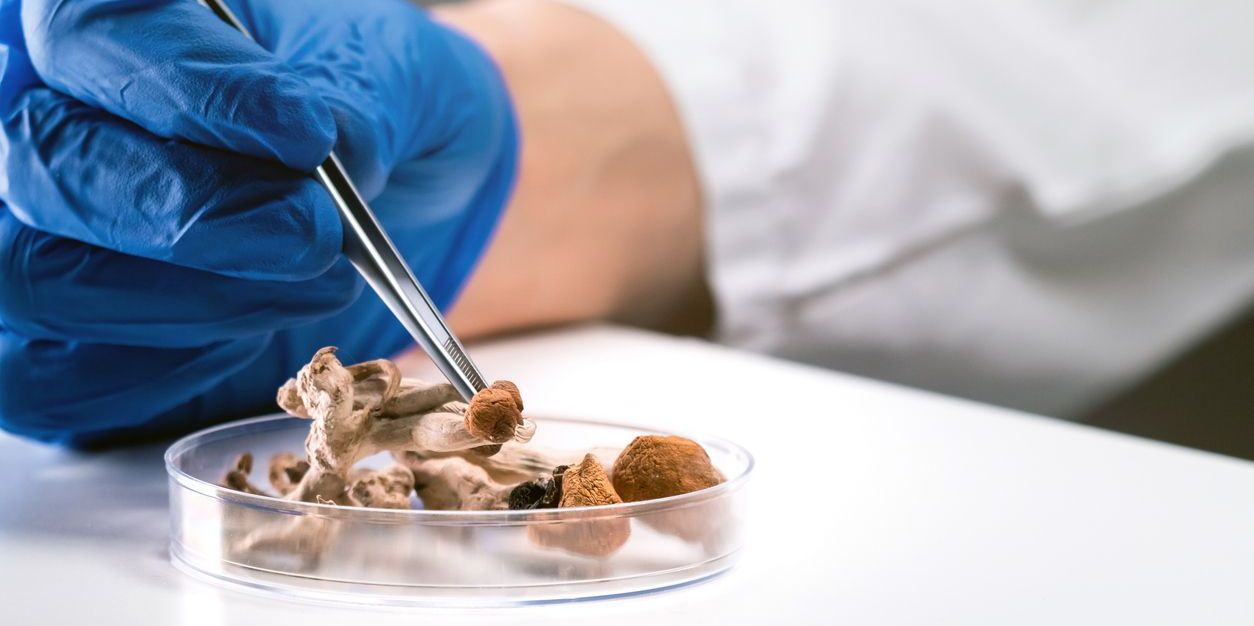
Summary: Yes, psilocybin is safe and effective for treatment resistant depression (TRD) when combined with psychotherapy and delivered in a clinical context under the direct supervision of experienced and qualified medical and mental health professionals.
Key Points:
- Psilocybin is a medication associated with a new trend in mental health treatment called psychedelic psychotherapy.
- In combination with psychotherapy, a single dose of psilocybin can safely reduce the symptoms of major depressive disorder (MDD).
- A new study assesses whether a single dose of psilocybin has a similar positive effect on patients with treatment resistant depression.
The Importance of Exploring New Therapies for Treatment Resistant Depression
Depression is the second most common mental health disorder in the world, following anxiety and anxiety-related disorders. Reports from the World Health Organization (WHO) show the following rate of major depressive disorder worldwide:
- Total: 280 million
- 3.8% of all people age 12+
- 5.0% of adults 18+
- 5.7% of adults 60+
In the U.S., the 2024 National Survey on Drug Use and Health (2024 NSDUH) shows the following rate of major depressive disorder with serious impairment:
- 2024:
- Total: 5.6% 14.7 million
- 18-25: 11.5%
- 26-49: 7.0%
- 50+: 2.6%
When people with MDD and MDD with serious impairment attempt treatment with at least two different antidepressants without experiencing significant symptom relief, they receive a diagnosis for treatment resistant depression (TRD).
Estimates on rates of TRD vary by how experts measuring TRD define the disorder. By the standard definition – non-response to two attempts at antidepressant treatment – rates of TRD among people with MDD are lower than a new, multidimensional definition established by the Sequenced Treatment Alternatives to Relieve Depression (STAR*D) study, which is sanctioned by both the U.S. Food and Drug Administration (FDA) and the European Medicines Agency (EMA).
Here are the different TRD estimates:
- Older, basic definitions: 30% of people with MDD develop TRD
- New, STAR*D definition: 55% of people with MDD develop TRD
By either manner of defining and counting, the data shows that millions of people around the world have TRD. Finding more effective treatments for TRD is important not only because it will improve the lives of people with TRD by reducing their symptoms, but will also help them reduce likelihood of experiencing the consequences of untreated and unresolved TRD.
Negative Consequences of TRD
- Problems with relationships
- Impaired vocational and academic performance/achievement
- Decreased capacity to engage fully in essential daily activities, such as eating, sleeping, and getting enough exercise
- Increased risk of additional menta health issues and/or diagnoses, including:
- Anxiety
- Obsessive-compulsive disorder (OCD)
- Alcohol use disorder/substance use disorder (AUD/SUD)
- Self-harm
- Elevated risk of chronic physical disability
- Elevated risk of chronic premature mortality
With these facts in mind, let’s take a look at this new study, and learn whether psilocybin combined with psychotherapy can help people with treatment resistant depression.
New Approach, New Directions for Depression Treatment
A group of researchers based in Germany published a paper called “Efficacy and Safety of Psilocybin in Treatment-Resistant Major Depression” in which they explored the following question:
“What are the efficacy and safety of psilocybin, 25 mg, with adjunct psychotherapy in treatment-resistant major depression (TRD)?”
Spoiler alert: the research team did not confirm their primary hypothesized outcome, which was that, compared with placebo, patients with TRD would achieve a 50 percent reduction in scores on the Hamilton Rating Scale for Depression (HAMD-17) six weeks after the initial dose. However, despite this result, the research team did confirm their secondary hypothesized outcomes, which included significant reduction in scores on the Beck Depression Inventory II (BDI-II) and any change from baseline on the HAMD-17, six weeks after the initial dose.
Here’s a summary of what they found, despite failing to confirm their initial primary outcome.
Psilocybin + Psychotherapy: Primary Outcomes
- One dose of 25 mg psilocybin:
- 17% showed significant symptom reduction at six weeks
- One dose of 5 mg psilocybin:
- A 12.5% showed significant symptom reduction at six weeks
- Control group, received nicotinamide, a vitamin b supplement used as a complementary treatment for depression:
- 6% showed significant symptom reduction at six weeks
After the six-week testing point, all participants received a dose of psilocybin. The initial treatment groups received either 25 mg psilocybin or 5 mg psilocybin for their second dose, and the control group received their first dose of 25 mg psilocybin.
Here’s what they found.
Psilocybin + Psychotherapy: Secondary Outcomes
- 25+25 group: 7.26 point reduction at 7 weeks (HAMD)
- 25+5 group: 7.3 point reduction at 7 weeks (HAMD)
- 5+25 group: 8.8 point reduction at 7 weeks (HAMD)
- Nicotinamide + 25 mg psilocybin: 7.38 point reduction at 7 weeks (HAMD)
With regards to safety, the research team reported that all patients who received psilocybin reported some form of altered perception on their dosage day.
Psilocybin + Psychotherapy: Safety, Prevalence of Adverse Events
- Pseudo-hallucination: 21%
- Paresthesia/dysesthesias (feeling pins and needles): 14%
- Synesthesia (seeing sounds): 13%
- Paranoia: 3.8%
- Thought disorder: 1.9%
- Hallucination: 1.9%
- Brief psychosis-like state, i.e. delusion, déjà vu, self-disorder: 0.6%
However, all these adverse events occurred acutely, on the dosage day, under direct supervision, and disappeared the same day.
We’ll discuss these results further, below.
Psilocybin Combined With Psychotherapy for Treatment-Resistant Depression
Overall, this study is important for several reasons. It showed:
- A single dose of psilocybin + psychotherapy can reduce symptoms of depression at six weeks
- A second dose of psilocybin with continued psychotherapy can reduce symptoms of depression at 7 weeks
In addition, although symptom relief was not statistically superior to controls, researchers reported significant reduction in symptoms among patients with TRD who received treatment with psilocybin + psychotherapy.
The next reason this study is important is the careful documentation of adverse events (AEs) associated with psilocybin, which have been notably absent from previous studies on psychedelic medications for depression and other mental health disorders. Here’s how the research team describes the safety component of this study:
- In most cases, psilocybin was “well tolerated.”
- AEs occurred on dosing days but resolved by the end of the day.
- AEs in this study were more prevalent than previous studies, reflecting the enhanced AE monitoring protocol.
- The study shows the need for standardized and enhanced risk monitoring for treatment with psilocybin.
And here’s how the research team summarizes the safety component of the study:
“The safety profile…underscores the importance of administering psilocybin within a psychotherapeutic framework.”
In other words, this study indicates that while psilocybin combined with psychotherapy can help treatment resistant depression, more research is required to determine the appropriate balance between dosage, psychotherapy, medical/psychiatric monitoring on dosage days, and significant symptom relief.
Reliable and effective treatment for TRD with psilocybin is now closer to becoming a reality, which offers hope for people with TRD. When new research yields new results, we’ll share them here as soon as they become available.
 Kimberly Gilkey, RADT-1
 Amanda Irrgang, Registered Dietitian Nutritionist (RDN)
 David Abram
 Emily Skillings
 Michelle Ertel
 Alexandria Avalos, MSW, ACSW
 Jovanna Wiggins
 Kelly Schwarzer
 Timothy Wieland
 Amy Thompson
 Gianna Melendez
 David Dalton, Facility Operations Director
 John P. Flores, SUDCC-IV-CS, CADC II
 Jodie Dahl, CpHT
 Christina Lam, N.P.
 Kathleen McCarrick, MSW, LSW
 Alexis Weintraub, PsyD
 Jordan Granata, PsyD
 Joanne Talbot-Miller, M.A., LMFT
 Brittany Perkins, MA, LMFT
 Brieana Turner, MA, LMFT
 Milena Dun, PhD
 Rebecca McKnight, PsyD
 Laura Hopper, Ph.D.
 Nathan Kuemmerle, MD
 Jeffrey Klein
 Mark Melden, DO/DABPN