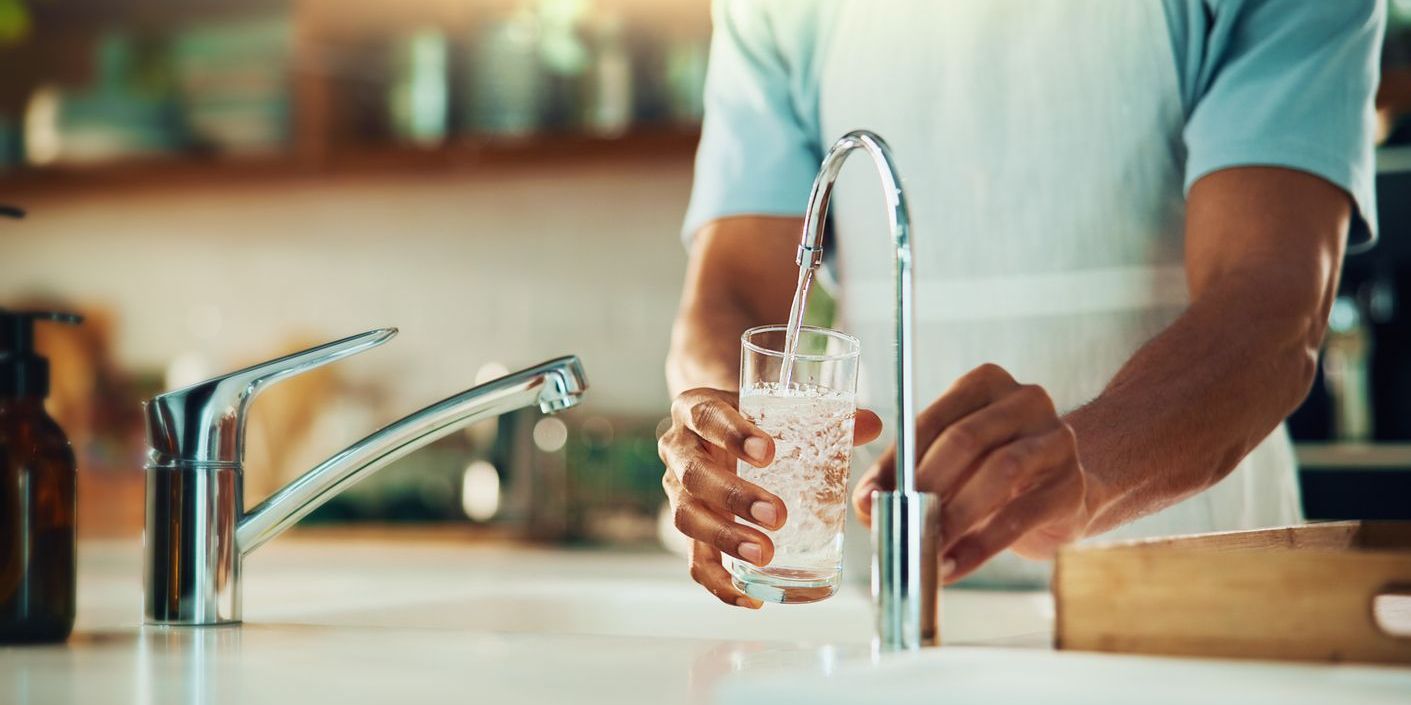
Summary: Yes, hydration can affect mental health. Dehydration is associated with a range of negative consequences for both physical and mental health, which can be avoided by drinking an adequate amount of water every day.
Key Points:
- We should all probably drink more water.
- Experts recommend around 8-12 servings of water per day, at least 10 ounces each.
- Dehydration affects your brain and all the major physiological systems in your body.
- Dehydration impacts mood, energy, and decision making.
- Staying hydrated is a simple approach to maintaining good overall psychological, emotional, and physical health.
Everyone Tells You to Drink More Water Because They’re Right
We’ve all heard the advice over and over: stay hydrated, it’s good for you.
Some of us may be sick of hearing it, too. Because whenever we felt bad as kids, that’s all we’d hear.
Go to the school nurse and complain of a headache:
Have you had enough water today?
Go to your mom or dad and complain about a stomachache:
Have you had enough water today?
Tell coach – any team, any sport, any day of the year – you’re getting tired:
Have you had enough water today?
Or more likely:
Drink water and get back out there!
All this begs these questions:
Is water really all that important? Is it really that important to drink plenty of water every day?
The answer is yes, water is really all that important. We know the basic facts. Our planet, earth, orbits our sun in what’s called the goldilocks zone, which is the distance from the sun at which water can naturally occur in its liquid form. In addition, water covers about 70 percent of the surface of the earth and makes up between 60-75 percent of our body, depending on our age. Whereas humans can go about three weeks without food, we can only last about 100 hours – about 4 days maximum – without drinking water.
Without water, we’d neither be here in the first place, nor be able to survive until next week. According to the Centers for Disease Control (CDC), water helps our bodies:
- Maintain a stable temperature
- Keep our joints healthy and flexible
- Protect the spinal cord
- Expel waste/byproducts of food and metabolism
The CDC also advises we drink more water than usual when:
- It’s hot outside
- We’re physically active
- We have a fever
- We’re having diarrhea of vomiting
Okay, so the experts say we need water – but what happens if we don’t drink enough?
Consequences of Dehydration, or “What Happens if I Don’t Drink Water?”
Dehydration is what happens when we don’t drink enough water. The National Academy of Sciences (NAS) conducted extensive research on the amount of water we need for optimal health and published their findings in 2005 in this paper: “Dietary Reference Intakes for Water, Potassium, Sodium, Chloride, and Sulfate.”
The researchers identified the following physical and mental consequences of dehydration:
- Decreased cognitive function
- Long-term memory problems
- Short-term memory problems
- Impaired motor control
- Impaired attention
- Decreased aerobic power
- Attenuated anaerobic performance
- Decreased physical work capacity
- Poor heat tolerance
- Decreased aerobic endurance
- Decreased muscular strength and endurance
- Increased risk of kidney stones
- Increased risk of gall stones
- Elevated risk of colon cancer
- Elevated risk of heart arrhythmia
That’s a significant list – and those are serious problems. Now let’s dig deeper, and drill down on some of the specifics, since it’s clear proper hydration can have a significant positive impact on mental health and emotional well-being.
Hydration: Mental and Emotional Health
Various ways adequate hydration – i.e., drinking enough water every day – can benefit your mental and emotional state include:
Enhanced Cognition/Thinking
Studies show that dehydration can cause the following problems related to cognitive function:
- Inability to concentrate
- Impaired memory
- Impaired decision-making
- Reduced executive functioning
Research confirms drinking plenty of water every day means your brain gets the proper vitamins, minerals, and nutrients you need for optimal focus, concentration, and memory formation/retrieval.
Improved Mood and Emotion
A large-scale review conducted in 2019 shows that dehydration has a significant negative impact on mood and short-term mental health symptoms, including:
- Anger
- Hostility
- Confusion
- Depression
- Anxiety
Research shows dehydration is associated with a decrease in neurotransmitters associated with mood, including:
- Dopamine
- Serotonin
- Norepinephrine
- Oxytocin
In addition, dehydration is associated with an increase in the stress hormone cortisol. When we look at the available data on dehydration and mood, it’s clear dehydration – especially severe, acute dehydration – has a negative impact on mood. Therefore, one simple way to improve your mood on a daily basis is to drink plenty of water.
Better Sleep Quality
A study published in 2025 shows that mild dehydration does not have a significant negative impact on overall sleep metrics in healthy adults, but an increase in water intake can improve both sleep duration, length of REM cycles, and sleep efficiency, all of which contribute to positive mental health.
More Energy/Motivation
Dehydration is directly associated with increased fatigue and decreased energy and motivation. Increased fatigue has a cumulative effect and impairs a variety of cognitive and emotional skills we rely on every day. The less fatigued we feel, the better we cope with distress, anxiety, disappointment, sadness, and overall stress. Staying hydrated can keep us alert, aware, and ready to handle typical issues we face every day without becoming overwhelmed.
Reduced Headaches
One of the most common causes of both typical and migraine headaches is dehydration. Studies show that increased fluid intake decreases frequency and severity of migraines as well as tension headaches and cluster headaches. Chronic headaches can have a negative impact on overall wellness, and acute headache can completely disrupt the ability to engage in any activity at all, social, work, school, or otherwise. Staying adequately hydrated is the first and most essential step to preventing headaches and their consequences.
How Much Water Should I Drink?
There’s a saying in pro cycling, a sport where adequate hydration can literally make or break your ability to perform on any given day. It goes like this:
There are three times you should drink water while riding: when you’re not thirsty, when you’re thirsty, when you’re neither.
And that’s basically it. There’s never a bad time to drink water.
Yes, drinking too much water can, theoretically, cause problems, because it results in lower concentrations of electrolytes and other essential chemicals in your body and bloodstream. However, you’d have to work very hard to drink that much water, and it rarely happens.
To find out how much water we should drink every day for optimal mental and physical health, let’s revisit that publication – Dietary Reference Intakes for Water, Potassium, Sodium, Chloride, and Sulfate – from the National Academy of Sciences. Here’s what they recommend:
Advised Water Intake (Not Including Water From/In Food)
Children:
- 1-3: 4 cups per day (32 oz)
- 4-8: 5 cups per day (40 oz)
Pre-Adolescents/Adolescents, Male:
- 9-13: 8 cups per day (64 oz)
- 14-18: 11 cups per day (88 oz)
Pre-Adolescents/Adolescents, Female:
- 9-13: 7 cups per day (56 oz)
- 14-18: 8 cups (64 oz)
Adults, Male:
- 19+: 14-16 cups per day (~120 oz)
Adults, Female:
- 19+: 12-14 cups per day (~96 oz)
Please remember there are some circumstances and environmental factors that require you to drink more water than usual. Factors that increase the amount of water you need include:
- Physical activity: more activity, more water
- Heat: higher temperature, more water
- Altitude: higher altitude, more water
- Cold: lower temperature, more water
- Caffeine: can cause dehydration, therefore, ensure you drink enough water on days you drink caffeine
- Alcohol: can cause dehydration, therefore, ensure you drink enough water on days you drink alcohol
Water in Food? Yes, and It’s Important
I’ll wrap this article up with a helpful list that includes the water content of various foods. This information here is good because let’s face it – sometimes you don’t feel like drinking another glass of water. In addition, you can gauge which foods to eat based on the need intake list above: for instance, eating apples in summer is good, because apples contain lots of water.
Water Content by Percentage, Basic Foods
- Fat-free milk, cantaloupe, strawberries, watermelon, lettuce, cabbage, celery, spinach, pickles, squash (cooked): ~95%
- Fruit juice, yogurt, apples, grapes, oranges, carrots, broccoli, pears, pineapple: ~85%
- Bananas, avocados, cottage cheese, ricotta cheese, potatoes, corn, shrimp: ~75%
- Pasta, legumes, salmon, ice cream, chicken breast: ~65%
- Ground beef, hot dogs, feta cheese, tenderloin steak: ~55%
- Pizza: ~45%
- Cheddar cheese, bagels, bread: ~35%
- Pepperoni sausage, cake, biscuits: ~25%
- Butter, margarine, raisins: ~15%
- Walnuts, peanuts, chocolate chip cookies, crackers, cereals, pretzels, taco shells, peanut butter: ~5%
- Oils, sugars: no water
At this point, we should all understand the reason all the smart, responsible people in our lives constantly remind us to drink enough water. Dehydration has a negative impact on just about all areas of our lives, and adequate hydration has a positive impact on just about all areas of our lives. Therefore, we encourage everyone to read the advisories above, and drink – at bare minimum – a dozen cups of water every day, and more than that depending to the temperature, your activity level, and your caffeine and/or alcohol consumption.
 Kimberly Gilkey, RADT-1
 Amanda Irrgang, Registered Dietitian Nutritionist (RDN)
 David Abram
 Emily Skillings
 Michelle Ertel
 Alexandria Avalos, MSW, ACSW
 Jovanna Wiggins
 Kelly Schwarzer
 Timothy Wieland
 Amy Thompson
 Gianna Melendez
 David Dalton, Facility Operations Director
 John P. Flores, SUDCC-IV-CS, CADC II
 Jodie Dahl, CpHT
 Christina Lam, N.P.
 Kathleen McCarrick, MSW, LSW
 Alexis Weintraub, PsyD
 Jordan Granata, PsyD
 Joanne Talbot-Miller, M.A., LMFT
 Brittany Perkins, MA, LMFT
 Brieana Turner, MA, LMFT
 Milena Dun, PhD
 Rebecca McKnight, PsyD
 Laura Hopper, Ph.D.
 Nathan Kuemmerle, MD
 Jeffrey Klein
 Mark Melden, DO/DABPN