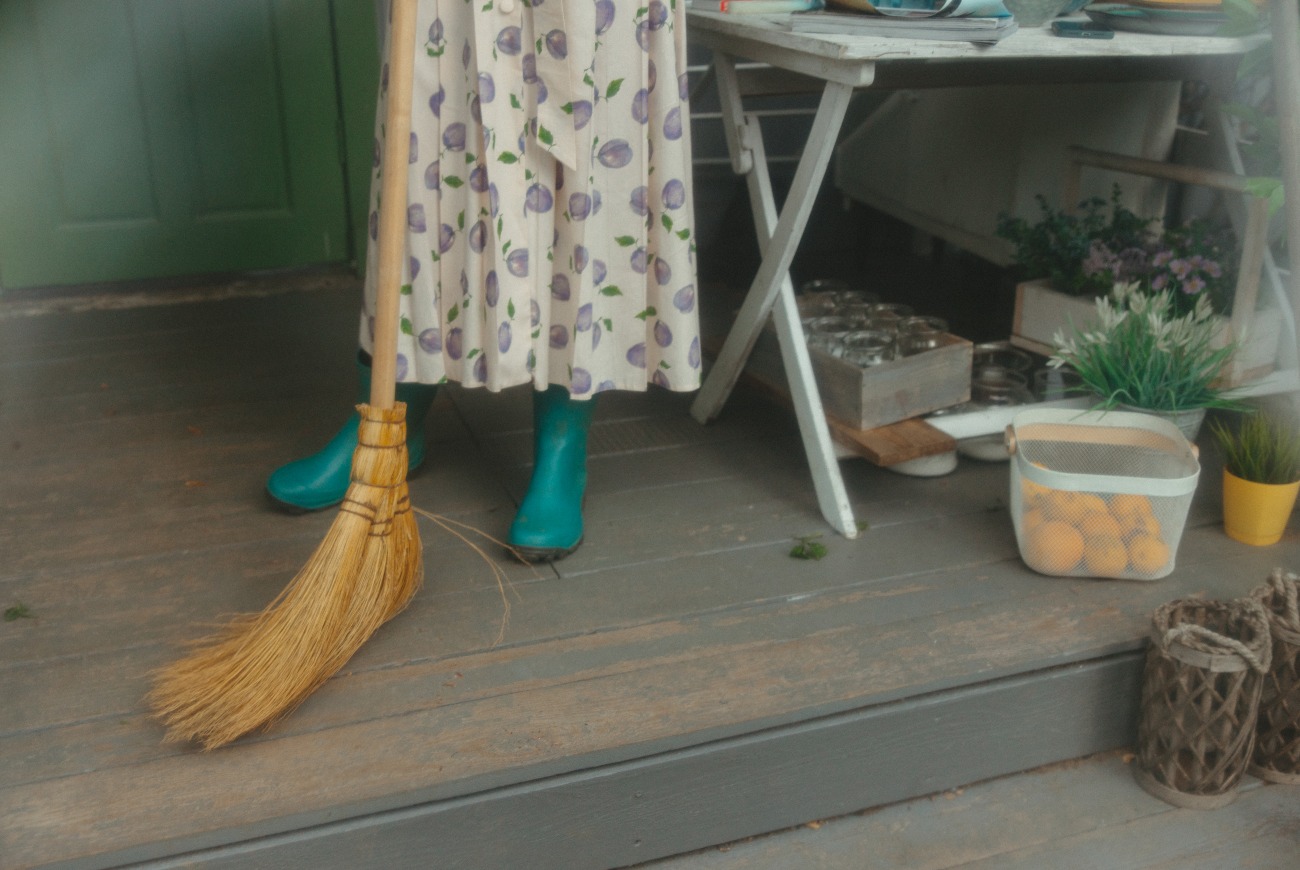
Summary: Life skills help you manage mental health problems in a variety of practical ways, such as reducing stress and creating a stable and consistent home routine that increases feelings of safety, security, and self-esteem.
Key Points:
- The ability to manage your mental health in a way that doesn’t compromise your overall well-being can be challenging.
- One way you can work on managing your mental health outside of therapy is by building and developing a robust set of practical life skills.
- Learning effective, new, and healthy life skills can help you handle the stress of everyday life with confidence.
Situations Where Life Skills Benefit Your Mental Health
Developing your set of life skills might not seem important to your recovery, at first. Although, with practice, you’ll find that solid life skills can improve your mental health in many ways. Likewise, not having a strong set of life skills can have a negative effect on your mental health. In this article, we’ll share common situations where practical life skills are extremely beneficial to your mental health, can improve overall wellbeing, and – if you’re in treatment – and improve your long-term outcomes.
Let’s take a look at the first of the life skills that can help you manage mental health problems: cooking and planning you own meals.
Cooking and Meal Planning
Decades of evidence – and everyday experiences confirm an important fact:
Your mind and body are connected.
When you neglect your body, it can have a negative impact on your mental health. This is especially true when it comes to your daily eating habits. When you eat a diet that doesn’t meet your core nutritional needs, or your eating habits are inconsistent, several problems follow.
For example, consider what happens when you skip a meal because you don’t know what to cook, how to cook what you want, and/or you’re too tired to figure out how to cook something very basic. The absence of the life skill – cooking – means your body doesn’t get what it needs for optimal functioning. And since your brain is part of your body, the lack of adequate sustenance affects your mind, including your thoughts and emotions.
When you skip a meal, you may feel mental fogginess, fatigue, and an increase in the symptoms of anxiety or depression.
To avoid these problems, you can develop the two life skills we mention in the heading above: cooking and meal planning. When you know to cook and plane meals for yourself, it means your body and mind get the regular, nutritious foods you need for optimal physical and mental health. Rather than worrying about how you’re going to meet your nutritional needs each day, you can spend your time on helpful, productive things like eating healthy meals and focusing on mental peace, relaxation, and clarity.
Let’s take a look at the next item in our set of life skills that can help you manage mental health problems: managing your personal hygiene.
Personal Hygiene
You may be familiar with this saying:
“When you look good, you feel good.”
You may interpret this to mean that if you wear nice clothes, you’ll feel good. However, it also means caring for your personal hygiene can help you feel good about yourself and life in general.
Caring for your personal hygiene means tending to the following:
- Brushing your teeth
- Bathing regularly
- Wearing clean clothes
- Washing your hands after using the restroom
Other aspects of personal hygiene may include:
- Wearing deodorant
- Shaving regularly
- Getting haircuts
When you take care of these things daily – or periodically, with haircuts – it can help you feel better about yourself and, in most cases, can help you feel happier than when you don’t. Alternatively, when you don’t attend to your personal hygiene consistently, it can have a negative effect on the state of your mental health declines. Looking in the mirror and seeing someone you barely recognize can significantly degrade your self-esteem. In addition, getting sick due to poor hygiene can have a negative impact on your general outlook on life. When you can manage your personal hygiene needs appropriately, however, it can help you feel refreshed, alive, and more confident in yourself – all of which can improve your mental health.
Now let’s take a look at the third item in our set of life skills that can help you manage mental health problems: managing household responsibilities.
Household Responsibilities
We know household chores and essential tasks may not seem like fun ways to pass the time, but they can definitely improve your mental health. Examples of typical household chores you may need to do every day include, but aren’t limited to:
- Sweeping/vacuuming/mopping floors
- Doing laundry
- Washing dishes
- Taking out the trash
- Cleaning appliances and toilets
- Dusting
- Clearing out clutter
When you stop attending to these basic daily, weekly, or periodically necessary responsibilities, here’s what can happen:
- Your internal mental state may reflect the external conditions in your home, become cluttered, and possibly messy.
- Internal clutter can cause both psychological and emotional distress.
- The process of cleaning up, and keeping up with these daily duties, can improve mental health.
- The outcome of cleaning up and keeping up with these daily duties – a clean, relaxing home – can also improve mental health.
In some cases, constantly seeing and thinking about everything you need to do at home – and feeling bad about not doing it all – can create significant stress.
However, taking care of regular household duties can help you manage your mental health by:
- Reducing daily stress levels
- Giving you a sense of accomplishment
- Giving you a reliable and consistent routine
- Boosting your mood
- Getting you moving and active
When it comes to your mental health, learning how to build this particular set of skills is vital because they make a drastic difference in your day-to-day functioning. Life can be chaotic and stressful enough as it is. Knowing it’s possible to control how tidy and clean your home is can provide relief from typical life stressors, and offer tangible outcomes you can point to every day: you wake up to fresh set of clothes and a clean kitchen because you did the laundry yourself and you did the dishes yourself.
Why Life Skills Matter
Developing your life skills can benefit your mental health in various ways. While these practical life tasks may not be the most exciting things to do, you may learn to find peace in doing them, in addition to the benefit of the more obvious outcomes.
Yes, when you clean your kitchen, your kitchen gets clean, but that’s not all. Winding down the day by loading the dishwasher and wiping down the counters can be relaxing and fulfilling activities by themselves. You can apply the same idea to all these tasks. Chopping garlic and onions is a great way to start spaghetti sauce and gets you to a full belly in the end, but it can also be meditative in and of itself, and help you focus on one simple thing, which increases relaxation and decreases things like stressing out and rumination.
As a reminder, life skills that can help you manage mental health problems include:
- Cooking and meal prepping
- Caring for personal hygiene
- Tending to household responsibilities
Sometimes, it can be difficult and overwhelming to develop these life skills on your own. That’s why the best treatment centers for mental health include practical skill development in their treatment plans. If you have a serious mental illness or addiction disorder and you’re considering treatment, we encourage you to find a treatment center with a robust life skills development component. At a certain point in your recovery, you move toward full independence, and developing a set of practical life skills can help yu liv the life you want to live, on your terms, defined by what makes you happy.
Developing Life Skills at Crownview Co-Occurring Institute
The staff at Crownview Co-Occurring Institute are here to help. We have programs dedicated to helping you develop your life skills in a safe, compassionate, non-judgmental atmosphere. We care about your well-being and want to help you manage your mental health in practical and effective ways.
Finding Help: Resources
If you or someone you know needs professional treatment and support for mental health problems, please contact us here at Crownview Co-Occurring Institute: we can help. In addition, you can find support through the following online resources:
- The National Alliance on Mental Illness (NAMI): Find a Professional
- The National Institute of Mental Health (NIMH): Finding Treatment
- The Substance Abuse and Mental Health Services Administration (SAMHSA): Finding Help
- American Psychiatric Association (APA): Treatment Locator
- SAMHSA: Early Serious Mental Illness Treatment Locator
 Kimberly Gilkey, RADT-1
 Amanda Irrgang, Registered Dietitian Nutritionist (RDN)
 David Abram
 Emily Skillings
 Michelle Ertel
 Alexandria Avalos, MSW, ACSW
 Jovanna Wiggins
 Kelly Schwarzer
 Timothy Wieland
 Amy Thompson
 Gianna Melendez
 David Dalton, Facility Operations Director
 John P. Flores, SUDCC-IV-CS, CADC II
 Jodie Dahl, CpHT
 Christina Lam, N.P.
 Kathleen McCarrick, MSW, LSW
 Alexis Weintraub, PsyD
 Jordan Granata, PsyD
 Joanne Talbot-Miller, M.A., LMFT
 Brittany Perkins, MA, LMFT
 Brieana Turner, MA, LMFT
 Milena Dun, PhD
 Rebecca McKnight, PsyD
 Laura Hopper, Ph.D.
 Nathan Kuemmerle, MD
 Jeffrey Klein
 Mark Melden, DO/DABPN