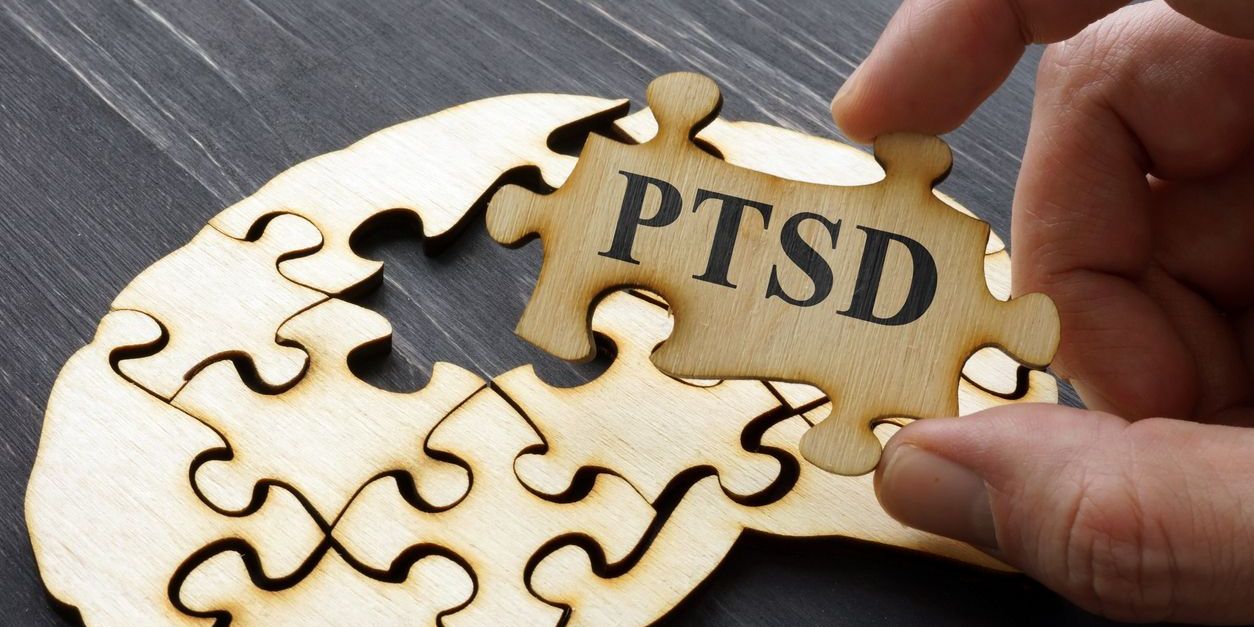
Summary: Evidence shows the most effective treatment for PTSD, formally called post-traumatic stress disorder, follows a trauma-informed approach and includes a mixture of psychotherapy, peer-support, and education.
Key Points:
- Post-traumatic stress disorder (PTSD) is a mental health disorder that can develop in reaction to traumatic experiences that occur during early life, childhood, or adulthood.
- Untreated PTSD can cause severe disruption in relationships, family life, education, and work performance.
- Symptoms of PTSD typically do not resolve or improve without professional support
- With evidence-based treatment delivered by providers trained in the principles of trauma informed care, recovery and remission from PTSD is possible.
The Origins of PTSD: Our Response to Trauma
Here’s a basic definition of PTSD from the Mayo Clinic:
“… a mental health condition that’s triggered by a terrifying event — either experiencing it or witnessing it. Symptoms may include flashbacks, nightmares, and severe anxiety, as well as uncontrollable thoughts about the event.”
Events that can trigger the development of PTSD include:
- Sexual assault and/or abuse
- Physical assault and/or abuse
- Emotional/psychological neglect and/or abuse
- Experiencing serious accident or injury: self or loved one
- Death of a relative or close friend
- Direct experience of violence: seeing domestic violence firsthand, living through war/terrorism
- Living through natural disaster
- Becoming a refugee of war, conflict, persecution, or natural disaster
People who experience those events – either once of over days, months, or years – have an increased risk of developing PTSD. Common symptoms include:
- Depression
- Aggression
- Anger
- Problems regulating emotion
- Withdrawal from friends or family/intentional isolation
- Suicidal behavior: thinking about, talking about, planning, or attempting suicide
The most effective treatment for PTSD can help patients successfully manage those symptoms. In addition, chronic PTSD increases risk of the following negative outcomes:
- Chronic illness/disease/physical problems
- Mental health disorders, behavioral disorders, addiction
- Inability/impaired ability to engage fully at school or work
- Difficulty forming and maintaining productive, healthy relationships
The most effective treatment for PTSD can reduce risk of those serious complications, and improve their emotional, psychological, and physical wellbeing.
Understanding PTSD treatment options matters. The latest data indicates that between 6-8 percent of adults in the U.S. have ever received a PTSD diagnosis, with about 5-7 percent reporting a diagnosis in the past year. Data shows that women report PTSD diagnosis at greater frequency than men, with prevalences around 8 percent for women and around 4 percent for men.
For reference, those figures indicate that at any given time in the U.S., with an adult population of close to 270 million, between 15 and 20 million have PTSD.
With those basic facts in mind, let’s take a look at the most effective treatment for PTSD available today.
The Most Effective Treatment for PTSD: Trauma-Informed Care
One thing we’ve learned about trauma is that supporting people with a history of traumatic experiences requires complete attention on several important things, the primary one being resisting and avoiding re-traumatization at all costs. When providers fully understand this, they understand that it implies applying and espousing host of attitudes, approaches to treatment, and perspectives that aren’t immediately obvious.
In 2014, the Substance Abuse and Mental Health Services Administration (SAMHSA) established and published a provider guide for best practices in trauma-informed care. These best practices from both a summary and collection of the attitudes and perspectives we mention above.
The publication, Trauma-Informed Care in Behavioral Health Services, recommends that treatment providers and staff at treatment centers supporting people with a history of trauma internalize these three core guidelines:
- Realize the effect of traumatic experiences and receive trauma-focused training.
- Recognize the various way trauma can appear in an individual.
- Seek to avoid re-traumatization during treatment.
Those guidelines form the theoretical basis for applied trauma-informed care. Under that philosophical umbrella, SAMHSA indicates that integrated, trauma-informed treatment programs should include the following six guiding principles for trauma-informed care.
The Six Principles of Trauma Informed Care
- Safety. Programs supporting patients with a history of trauma must ensure they feel safe emotionally, psychologically, and physically.
- Trustworthiness and Transparency. A positive treatment alliance between patients and providers is essential. Open and direct communication between patients and therapists/psychiatrists/counselors, complementary staff, and daily staff others is important. Not only must the treatment alliance between patient and provider be positive, but the entire treatment environment must also feel safe, open, honest, and accessible.
- Peer Support. The most effective programs for patients with a history of trauma involve either group therapy sessions during formal treatment, or peer support groups that occur outside of formal treatment, in the community. Sharing and learning from others with similar experiences can give people hope and improve treatment outcomes.
- Collaboration and Mutuality. Treatment centers must recognize that healing from past trauma occurs through relationships established through shared decision-making and the cooperative input of everyone involved. The providers must recognize they don’t have all the answers and understand “everyone has a role in a trauma-informed approach.”
- Empowerment, Voice, and Choice. This principle is a direct corollary to #4. In the trauma-informed care environment, recognizing each individual experience, valuing each individual experience, and tailoring a unique treatment experience for each individual is paramount. In a trauma-informed care environment, shared power is an important core dynamic.
- Cultural, Historic, and Gender Issues. Programs and providers must work to transcend stereotypes related to gender, gender identity, sexual orientation, race, ethnicity, and religion. Programs and providers must recognize the role of generational trauma in trauma-related disorders and understand the importance of respecting and valuing all cultural traditions, whether traditional or non-traditional, throughout the trauma-informed care process.
Decades of experience led to the creation of those guidelines and principles. They’re the foundation – or should be, in practice, of the specific treatments we’ll share below.
The Most Effective Treatment for PTSD: Cognitive Behavioral Therapies, Exposure Therapies, Emerging Therapies
In a study funded by the Department of Veterans Affairs and conducted by the U.S. National Center for PTSD, research scientists published a large meta-analysis that reviewed our current state of knowledge on PTSD treatment.
In the study, researchers examined over 30 clinical studies involving data from over 3,00o patients with PTSD. They established a firm cutoff point for what counts as effective treatment. Rather than typical metrics like symptom improvement – for a range of symptoms – the researchers created assessed patients on loss of PTSD diagnosis. Loss of PTSD diagnosis means that if they were assessed at the end of the study period, they would not receive a PTSD diagnosis.
This is also known as remission, which is the goal of any PTSD treatment.
Let’s take a look at which treatments led to remission of PSTD symptoms.
The Results: Most Effective Treatment for PTSD?
Cognitive behavioral therapy (CBT):
- Reported PTSD remission: 61%
- Veterans: 46%
- Civilians: 65%
Cognitive processing therapy (CPT):
- Reported PTSD remission: 57%
- Veterans: 44%
- Civilians: 69%
Prolonged exposure therapy (PE):
- Reported PTSD remission: 56%
- Veterans: 50%
- Civilians: 66%
Eye movement desensitization and reprocessing (EMDR):
- Reported PTSD remission: 86%
Cognitive therapy for PTSD (CT-PTSD):
- Reported PTSD remission: 76%
Those treatments show significant success rates when judged by the most stringent metric: remission. Therefore, we can assume that those treatments are among the most effective we have for PTSD. Additional studies, however, show the following treatments are also effective and promising:
- Written exposure therapy (WET). This is prolonged exposure therapy modified for writing, rather than talking.
- Mantram therapy. This is a combination of mindful meditation and the repetition of intentional, personalized phrases, called mantras, to help decouple negative emotions from memories.
- Present-centered therapy. This approach helps people with PTSD develop practical solution to life problems caused by PTSD and focuses on personal awareness and adaptability.
- Group-based prolonged exposure therapy. A recent study of military veterans showed that group PE had the highest retention rates of all treatment approaches for veterans with PTSD.
We’ll discuss these findings below.
People Matter, Connections Matter: The Most Effective Treatments Involve Empathy and Understanding
Those aren’t the only available treatments for PTSD. Evidence indicates they’re the most effective. Additional treatment approaches – with a less robust evidence base – include:
Mindfulness:
- Mindfulness-based stress reduction (MBSR)
- Mantram meditation (see above)
- Transcendental meditation
Medications:
- Standard: antidepressants or anxiolytics
- Emerging: MDMA
- New (current research): psilocybin, ibogaine
Brain stimulation:
- Transcranial magnetic stimulation (TMS)
- Deep brain stimulation (DBS)
Those treatments may be effective for specific patients under certain circumstances. For instance, anxiolytics can offer short-term relief from PTSD symptoms but for various reasons – including risk of misuse and disordered use – are not an effective long-term option. Antidepressants can help people with co-occurring depression and depressive disorders but are not effective for many PTSD patients. Among the other approaches on the list, mindfulness is a very effective complementary technique for people who connect with meditative practices, brain stimulation approaches may be effective for patients who don’t experience success with first-line treatment options, and psychedelics are an emerging treatment approach currently undergoing focused intensive clinical trials in response to a new round of federal funding for mental health research.
With all of that said, we’ll explain what we mean by the subheading for this section: people and connections matter.
When we review the list of treatments with the highest remission rates, we see they revolve around therapies that are most effective when there’s a real, honest, and trusting connection between the patient and the provider.
That’s called a positive therapeutic alliance – and in PTSD treatment, it can make all the difference.
Here are the four most effective treatments for PTSD, based on current research.
The Most Effective Treatment for PTSD: Highest Remission Rates
- Cognitive therapy for PTSD (CT-PTSD): 76% remission rate
- Cognitive behavioral therapy (CBT): 61% remission rate
- Cognitive processing therapy (CPT): 57% remission rate
- Prolonged exposure (PE): 56% remission rate
All four of those approaches rely on a trusting alliance between patient and provider for success. Without trust, patients won’t open up and talk and providers can’t help. But with trust, the healing process can begin and proceed at the rate the patient is most comfortable with. It’s also worth mentioning that in the large-scale meta-analysis on retention in PTSD treatment among veterans, group exposure therapy had a retention rate of over 90 percent, which is virtually unheard of in veteran populations and exposure therapy populations.
That confirms what the subheading suggests.
The people matter and the connections matter.
Therefore, when we think about the most effective treatment for PTSD, we remind ourselves that the core components involve creating an environment where patients feel safe, and they’re supported by providers or peers that offer trust, compassion, and understanding.
 Kimberly Gilkey, RADT-1
 Amanda Irrgang, Registered Dietitian Nutritionist (RDN)
 David Abram
 Emily Skillings
 Michelle Ertel
 Alexandria Avalos, MSW, ACSW
 Jovanna Wiggins
 Kelly Schwarzer
 Timothy Wieland
 Amy Thompson
 Gianna Melendez
 David Dalton, Facility Operations Director
 John P. Flores, SUDCC-IV-CS, CADC II
 Jodie Dahl, CpHT
 Christina Lam, N.P.
 Kathleen McCarrick, MSW, LSW
 Alexis Weintraub, PsyD
 Jordan Granata, PsyD
 Joanne Talbot-Miller, M.A., LMFT
 Brittany Perkins, MA, LMFT
 Brieana Turner, MA, LMFT
 Milena Dun, PhD
 Rebecca McKnight, PsyD
 Laura Hopper, Ph.D.
 Nathan Kuemmerle, MD
 Jeffrey Klein
 Mark Melden, DO/DABPN