While therapy and counseling help you understand the root causes of your mental health and/or addiction disorder, that’s just the first step. Next, you need to learn how to transfer what you learn about yourself to the way you behave and interact with others in the world outside of the treatment center, i.e. life back home in the real world.
Life Skills and Supportive Therapies
The wide range of supportive therapies we offer help build effective individualized pathways to re-integration and independence. With the tools they learn during their treatment program, patents build self-esteem and discover – or rediscover – the belief they can achieve long-term recovery and live an independent life.
At CCI, life skills workshops may include but are not limited to:
- Housekeeping skills
- Time management skills
- Daily planning skills
- Nutrition and diet
- Meal planning and preparation
- Grocery shopping
- Household financial planning
- Personal medication management
- Personal hygiene
- Sleep hygiene
People with long-term, untreated mental health or addiction disorders often need to learn or re-learn basic life skills through consistent, day-to-day practice. Consistent daily practice of life skills helps clients move toward a healthy and productive future. Combined with individual therapy, vocational, and educational support, life skills are an important component of the big treatment picture. When patients learn to become self-managing and self-sustaining, it boosts self-esteem and improves their ability to live and thrive at home, after their completing their treatment program.



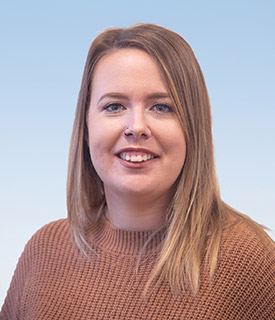 Kimberly Gilkey, RADT-1
 Amanda Irrgang, Registered Dietitian Nutritionist (RDN)
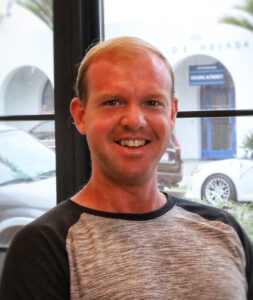 David Abram
 Emily Skillings
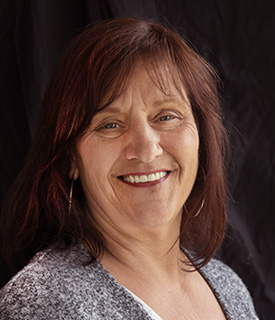 Michelle Ertel
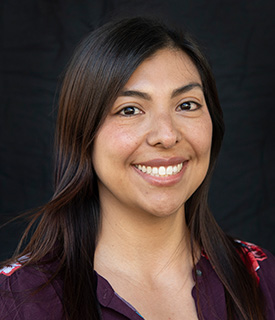 Alexandria Avalos, MSW, ACSW
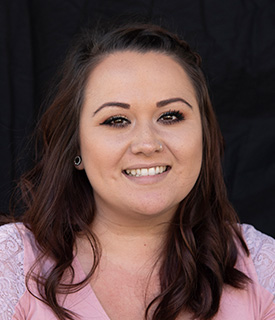 Jovanna Wiggins
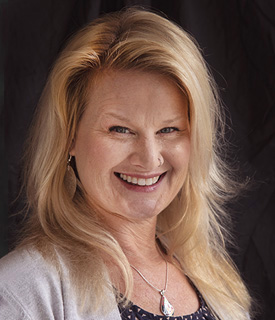 Kelly Schwarzer
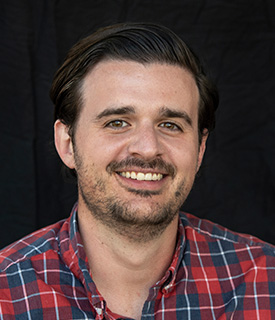 Timothy Wieland
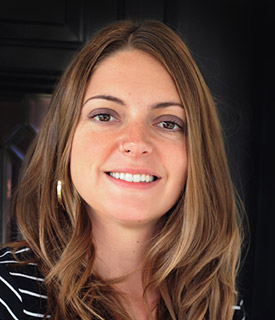 Amy Thompson
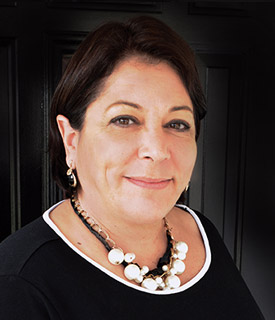 Gianna Melendez
 David Dalton, Facility Operations Director
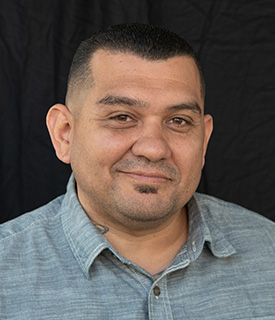 John P. Flores, SUDCC-IV-CS, CADC II
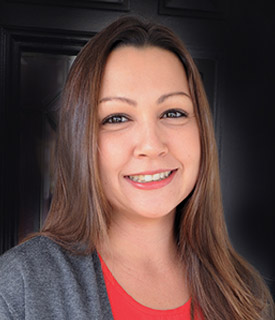 Jodie Dahl, CpHT
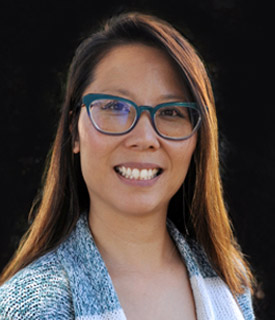 Christina Lam, N.P.
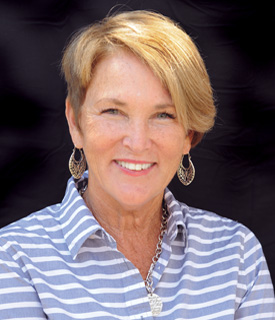 Kathleen McCarrick, MSW, LSW
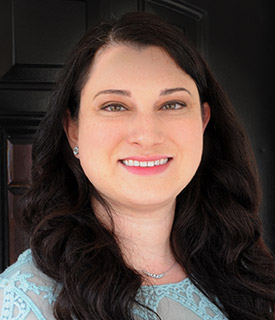 Alexis Weintraub, PsyD
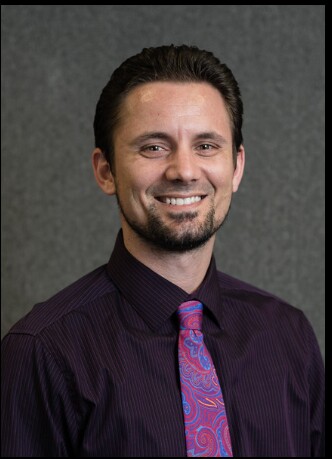 Jordan Granata, PsyD
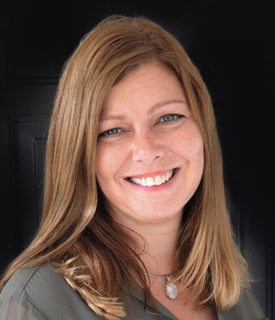 Joanne Talbot-Miller, M.A., LMFT
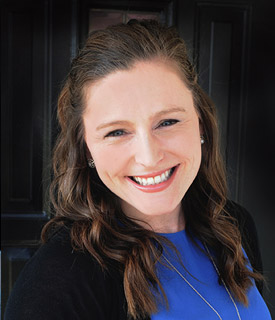 Brittany Perkins, MA, LMFT
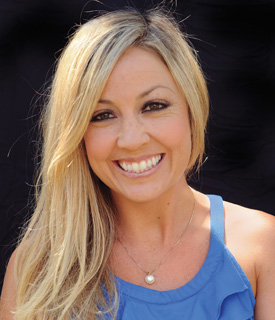 Brieana Turner, MA, LMFT
 Milena Dun, PhD
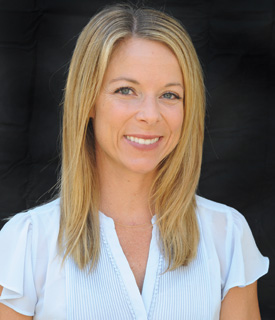 Rebecca McKnight, PsyD
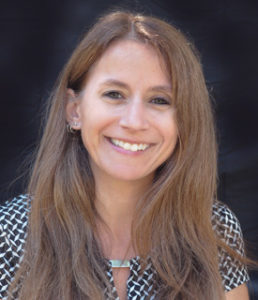 Laura Hopper, Ph.D.
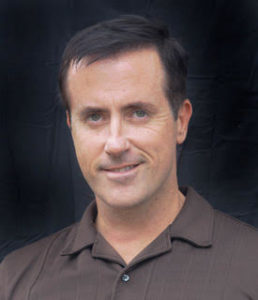 Nathan Kuemmerle, MD
 Jeffrey Klein
 Mark Melden, DO/DABPN