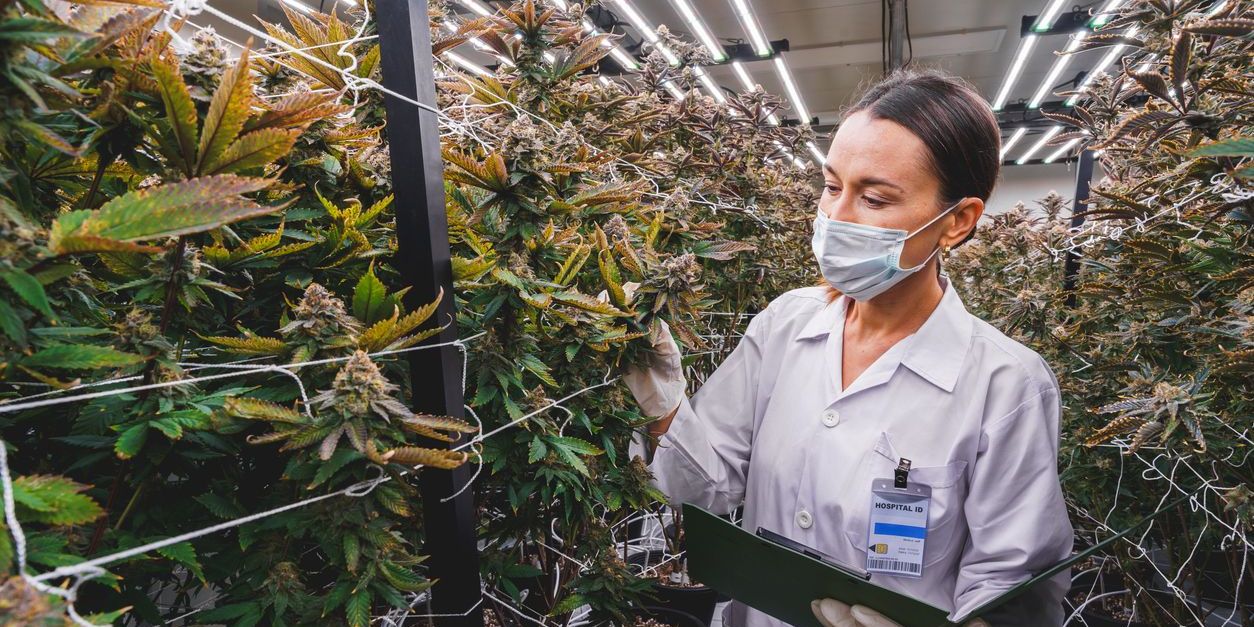
Summary: No, cannabis is not an effective treatment for mental health disorders, according to the results of the largest study conducted on the topic to date.
Key Points:
- Cannabis and cannabis-derived products are approved for use to relieve symptoms of mental health disorders such as anxiety, depression, and others.
- With the trend toward legalization and decreased stigma around cannabis, more people are open to using cannabis as a treatment for common mental health disorders, i.e. depression and anxiety
- Anecdotal evidence provided by individuals, shared in-person and across social media, promotes the use of cannabis for relief of mental health symptoms
- Evidence indicates that – with minor exceptions – cannabis is no more effective than placebo for most mental health disorders
What Should We Believe About Whether Cannabis is an Effective Treatment for Mental Health Disorders?
We may hear a large number of positive endorsements for the use of various forms of cannabis – oils, vaping, smoking, ingesting gummies – for relief of mental health and related symptoms from friends, relatives, and in our social media and news feeds. Popularity of cannabis for mental health purposes has increased alongside the trend toward legalization.
Here’s a summary of the changes in the legal status of cannabis in the U.S. over the past 50 years:
- 1970s: 14 states decriminalized cannabis use
- 1990s: 21 states legalized use of cannabis for medicinal/therapeutic purposes
- 2012 to 2024: 19 states legalized recreational use of cannabis
With recreational cannabis legal in 19 states and medicinal cannabis legal in 38 states, things have changed significantly in recent decades. Data from a nationwide survey conducted by Pew Charitable Trusts shows support for these changes:
- 10% of people think cannabis should be illegal in all cases
- 30% of people think cannabis should be legal only for medicinal use
- 59% of people think cannabis should be legal for recreational and medicinal use: 59%
- 1% declined to offer an opinion
We hear of people using cannabis to relax and using it help with social anxiety. Some of our friends and family members may give cannabis supplements to their pet dogs when they leave the house to ease separation anxiety. Others may convince their grandparents to take cannabis supplements for arthritis pain, or to help them sleep – and most say something along the lines of this:
I think it helps.
But when it comes to our mental health, or the mental health of a loved one, what should we believe? Should we try using cannabis for mental health problems because our friends or relatives think it might help?
Upon whom should we rely?
Here’s the answer:
We should rely on data published in reputable, evidence-based, peer-reviewed journals that focus on mental health, and make treatment decisions based on clinical assessments and a collaborative decision-making process between ourselves, our providers, and our family members (if they’re involved and we want their help in making treatment decisions).
A recent study in the Lancet – a reputable peer-reviewed medical journal that focuses, among other topics, on mental health – called “The Efficacy and Safety of Cannabinoids for The Treatment Oof Mental Disorders and Substance Use Disorders: A Systematic Review and Meta-Analysis” provides data we can consider both reliable and verifiable.
Studies from the Lancet are worth paying attention to. Let’s learn more about this new review and meta-analysis.
New Evidence on Whether Cannabis is an Effective Treatment for Mental Health
Here’s how the study authors describe the reason for designing the review and the goals of the research effort:
“Mental disorders and substance use disorders (SUDs) are among the leading reasons for which the medical use of cannabinoids has been approved, but their efficacy and safety in treating these conditions is yet to be established. We conducted a systematic review and meta-analysis of randomized controlled trials (RCTs) testing the efficacy and safety of cannabinoids as the primary treatment for mental disorders or SUDs.”
To explore the question – is cannabis a safe and effective treatment for mental health disorders – researchers examined data from 54 evidence-based, peer-reviewed, random controlled trials that included a total of 2,477 people. Participant characteristics included:
- 69% male
- 31% female
- Median age: 33
Researchers examined data on the impact of cannabis and cannabis derivatives as clinical treatment for the following:
- Anxiety
- Depression
- Attention-deficit hyperactivity disorder (ADHD)
- Bipolar disorder (BD-I&II)
- Obsessive-compulsive disorder (OCD)
- Psychosis
- Eating disorders
- Post-traumatic stress disorder (PTSD)
- Opioid use disorder (OUD)
- Cannabis use disorder
- Tobacco use disorder
Let’s take a look at what they found.
Cannabis for Mental Health Treatment: Does it Work?
We’ll start with what cannabis was effective for. Spoiler alert: cannabis was effective for fewer things than most of likely anticipated. After collecting and analyzing data from the 54 studies that met selection criteria, researchers identified the following mental health disorders for which cannabis had a positive effect.
Positive Outcomes: Cannabis and Mental Health
For individuals diagnosed cannabis use disorder, cannabidiol and delta-9-tetrahydrocannabinol reduced (THC) reduced:
- Symptoms of cannabis withdrawal symptoms
- Total weekly amount of cannabis use
Among individual diagnosed with Tourette’s syndrome, use of cannabidiol and/or THC was associated with:
- Significant reduction in tic severity
For individuals diagnosed with insomnia use of cannabidiol and/or THC was associated with:
- Increased self-reported sleep time
- Increased externally reported sleep time
Among individuals diagnosed with autism spectrum disorder (ASD), use of cannabidiol and/or THC was associated with:
- Significant reduction in clinician observed autistic traits
Next, the research team identified the mental health disorders for which treatment with cannabis had a negative effect.
Negative Outcomes: Cannabis and Mental Health
For individuals diagnosed with cocaine use disorder, use of cannabidiol and/or THC was associated with:
- Increased cravings for cocaine
For all mental health and substance use disorders, use of cannabidiol and delta-9-tetrahydrocannabinol (THC) was associated with:
- Cannabidiol + THC: 75% increased likelihood of non-serious adverse events
- Cannabidiol alone: significant risk of non-serious adverse events
- THC alone: no increased risk of adverse events
Finaly, the research team identified the mental health disorders for which treatment with cannabis had neither a positive nor negative effect.
No Meaningful Effect, Positive or Negative: Cannabis and Mental Health
Researchers identified no significant impact of cannabidiol and/or THC on people diagnosed with:
- Anxiety (GAD)
- Social anxiety disorder (SAD)
- Post-traumatic stress disorder (PTSD)
- Obsessive-compulsive disorder (OCD)
- Attention-deficit hyperactivity disorder (ADHD)
- Bipolar disorder (BD-I&II)
- Psychotic disorders, i.e. schizophrenia
- Anorexia nervosa
- Opioid use disorder (OUD)
- Tobacco use disorder
As we can see, cannabis had a positive effect for four mental health issues: cannabis use disorder, Tourette’s syndrome, autism spectrum disorders, and insomnia. We’ll discuss these results further, below.
Research Does Not Support Cannabis as a Treatment for Most Mental Health Disorders
We’ll be clear with this information, since recreational cannabis use is common, and there’s a growing belief that cannabis is an effective treatment for mental health in general. As a medicine, the most conclusive, evidence-based research for the use of cannabis is for “neuropathic pain and multiple sclerosis–related spasticity,” according to the 2025 study “Cannabinoids in Chronic Pain: Clinical Outcomes, Adverse Effects and Legal Challenges.”
For mental health treatment, the data we share above represents the most recent, peer-reviewed evidence on the therapeutic use of cannabis. And – again, to be clear – the data indicate cannabis is not a miracle cure. In fact, data shows cannabis as a therapeutic medication had no effect on the majority of disorders assessed. That means there’s no reliable evidence base for the use of cannabis to treat anxiety, depression, PTSD, ADHD, OCD, psychosis and psychotic disorders, eating disorders, opioid use disorder, or tobacco use.
There is, however, an evidence base showing a small, but significant effect for the use of cannabis to treat:
- Cannabis use disorder
- Insomnia
- Tourette’s syndrome
- Autism spectrum disorder (ASD)
And finally, there’s evidence against using cannabis for treatment mental health disorders:
- Cannabis was associated with moderate risk of non-serious adverse events.
- Cannabis was associated with increased cravings for cocaine among people with cannabis use disorder.
Here’s how the lead author of the study, Dr. Jack Wilson, views the results of this research:
“Our study provides a comprehensive and independent assessment of the benefits and risks of cannabis medicines, which may support clinicians to make evidence-based decisions, helping to ensure patients receive effective treatments while minimizing harm from ineffective or unsafe cannabis products.”
When we view this data in light of the legalization trends and the latest information in the 2024 National Survey on Drug Use and Health (2024 NSDUH), which shows that in 2024, over 65 million people age 12 and over – that’s 15.4 percent – reported using cannabis in the past month, we know that making informed, evidence-based decisions about cannabis use during mental health treatment is more now than ever.
If you have a friend or loved one who needs mental health support and is considering using cannabis to help their symptoms, please share this article with them, so they can make fact-based decisions that benefit their long-term health and wellbeing.
 Kimberly Gilkey, RADT-1
 Amanda Irrgang, Registered Dietitian Nutritionist (RDN)
 David Abram
 Emily Skillings
 Michelle Ertel
 Alexandria Avalos, MSW, ACSW
 Jovanna Wiggins
 Kelly Schwarzer
 Timothy Wieland
 Amy Thompson
 Gianna Melendez
 David Dalton, Facility Operations Director
 John P. Flores, SUDCC-IV-CS, CADC II
 Jodie Dahl, CpHT
 Christina Lam, N.P.
 Kathleen McCarrick, MSW, LSW
 Alexis Weintraub, PsyD
 Jordan Granata, PsyD
 Joanne Talbot-Miller, M.A., LMFT
 Brittany Perkins, MA, LMFT
 Brieana Turner, MA, LMFT
 Milena Dun, PhD
 Rebecca McKnight, PsyD
 Laura Hopper, Ph.D.
 Nathan Kuemmerle, MD
 Jeffrey Klein
 Mark Melden, DO/DABPN