Our residential and outpatient treatment programs follow a structured, four-phase model that provides a flexible framework to guide you toward successful, lifelong recovery. At CCI, success means meeting the treatment goals you establish in collaboration with your treatment team when you begin your program: you define your goals, and we create the optimal conditions for you to achieve them.
Our Four Phase Model: Your Path to Independence
We’ll describe the general guidelines for each phase of treatment below.
It’s important to understand that the CCI model is designed to accommodate the growth and change you experience during your treatment journey. Each path to recovery is as unique as the person on that path, and the path to recovery is rarely linear.
Therefore, think of the phases we outline here as a guide that gives you a broad view of our treatment approach. Your exact path will depend on your goals and how you respond to each phase of your treatment plan.
Phase 1: Acclimation
During this phase, you work with your treatment team to create a structured treatment plan designed specifically for you. At the same time, you become accustomed to our compassionate, safe, and supportive environment, which eases your transition and helps prepare you for the next phase of treatment.
Phase 2: Resocialization
During this phase, we maintain structure and prioritize therapies that help you rediscover your social values and beliefs. This reconnects you to the norms and healthy habits associated with full and successful functioning in your typical daily life. During this phase, you develop clarity of purpose and begin to understand, retain, and internalize the various lessons and skills you learn from the various components of your treatment plan. During this phase you earn responsibilities such as access to personal electronics and more free time.
Phase 3: Developing Life Skills
Once you reach this phase, you’ve shown significant progress in developing and reinforcing life skills that promote and support independence. During this phase, your treatment team doubles down on life skills related to vocational support, educational support, personal financial planning, commonsense budgeting, and creating healthy, independent routines that promote sustainable, long-term recovery.
Phase 4: Independence
During this phase, you put all the components of your treatment plan together. You begin to apply the skills from the previous three phases and demonstrate the responsibility and independence you’ve worked hard to develop. You have less direct contact with therapists and support staff, which enables you to practice your new life skills and establish the confidence you need to take the next step. We watch as you successfully implement the practical daily coping skills you need to live a healthy independent life on your terms. When you’re ready, we remind you we believe in you, that you’ve done the work, and that you have everything you need to succeed during life after treatment, out in the real world.
The Crownview Difference
Our innovative combination of structure, flexibility, and adaptability makes our program unique. Our experience and deep understanding of the treatment and recovery process allows us to tailor your experience to maximize your individual progress and ensure a successful and fulfilling treatment experience. We truly understand that every path to recovery is different, and that there are as many paths to recovery as there are individuals in recovery. Our four-phase system gives us something unique in mental health treatment:
We have ability to customize every aspect of every treatment plan in every phase of treatment.
This allows us to provide the most personalized and productive care possible, and allow you to define and pursue your treatment goals in a way that gives you the greatest likelihood of success.



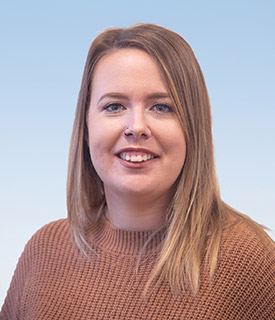 Kimberly Gilkey, RADT-1
 Amanda Irrgang, Registered Dietitian Nutritionist (RDN)
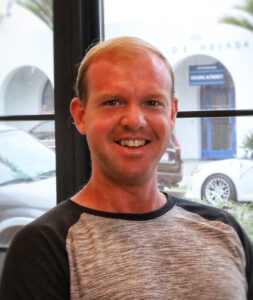 David Abram
 Emily Skillings
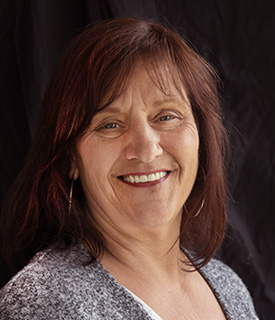 Michelle Ertel
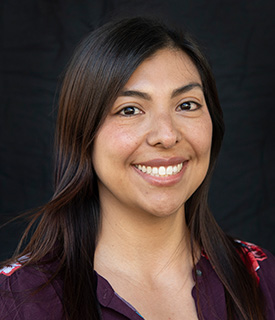 Alexandria Avalos, MSW, ACSW
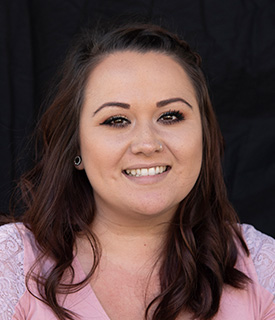 Jovanna Wiggins
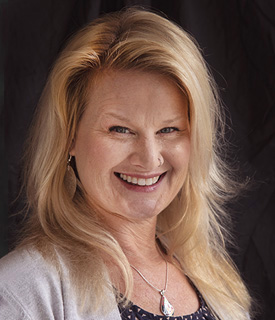 Kelly Schwarzer
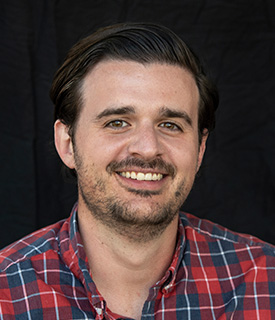 Timothy Wieland
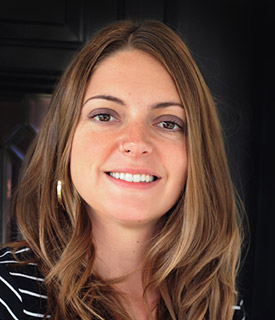 Amy Thompson
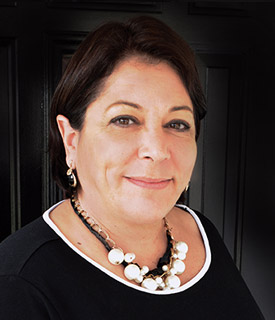 Gianna Melendez
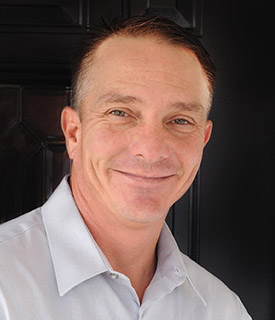 David Dalton, Facility Operations Director
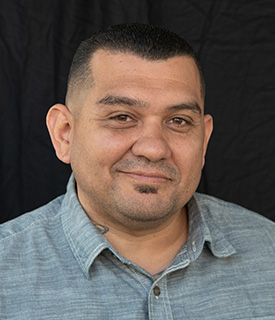 John P. Flores, SUDCC-IV-CS, CADC II
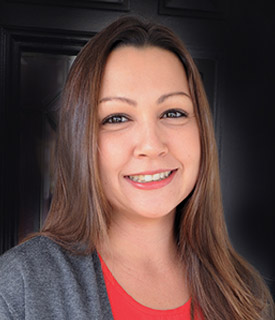 Jodie Dahl, CpHT
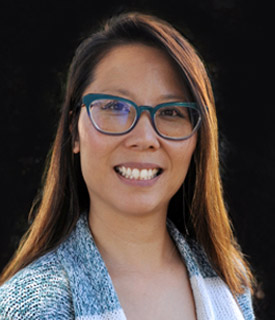 Christina Lam, N.P.
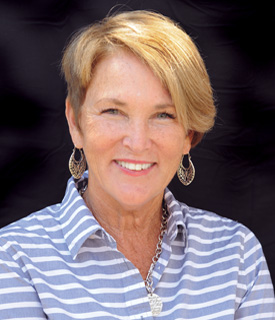 Kathleen McCarrick, MSW, LSW
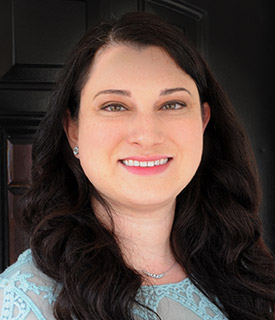 Alexis Weintraub, PsyD
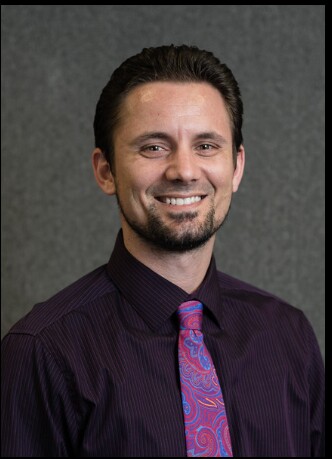 Jordan Granata, PsyD
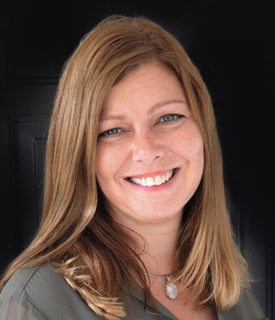 Joanne Talbot-Miller, M.A., LMFT
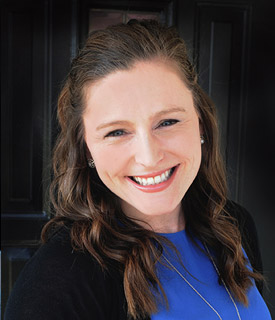 Brittany Perkins, MA, LMFT
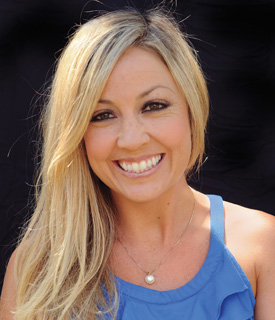 Brieana Turner, MA, LMFT
 Milena Dun, PhD
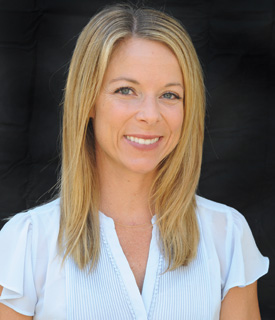 Rebecca McKnight, PsyD
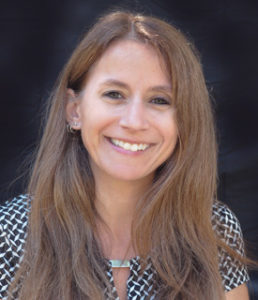 Laura Hopper, Ph.D.
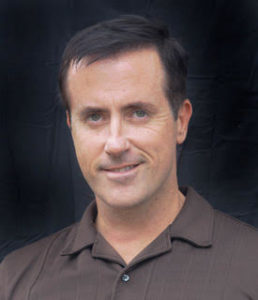 Nathan Kuemmerle, MD
 Jeffrey Klein
 Mark Melden, DO/DABPN