
Summary: Two important things to look for in outpatient treatment programs for OCD are clinicians with experience treating people with OCD who understand the impact OCD can have on your daily life and a treatment center that offers a range of evidence-based treatments for OCD.
Key Points:
- The symptoms of clinical OCD can range from mild, with minimal disruption to daily life, to severe, with significant disruption to daily life.
- Obsessions and compulsions – the main features of OCD – can be more serious and distressing than most people think they are.
- People with OCD don’t choose obsessions and compulsions the way people choose interests or daily habits, but rather aspects of a clinical mental health disorder.
- Evidence-based treatment for OCD can help you manage your symptoms, whether mild, moderate, or severe, and reduce their impact on your daily life.
What is Obsessive-Compulsive Disorder (OCD)?
Here’s a definition of OCD published by the Merck Manual – Professional Version based on criteria defined in the Diagnostic and Statistical Manual of Mental Disorders (DSM-5):
“Obsessive-compulsive disorder (OCD) is characterized by recurrent, persistent, unwanted, and intrusive thoughts, urges, or images (obsessions) and/or by repetitive behaviors or repetitive mental acts that patients feel driven to do (compulsions, rituals) to try to lessen or prevent the anxiety the obsessions cause.”
Now let’s clarify what the experts mean when they say obsessions and compulsions.
Common Obsessions in OCD
Obsessions: Obsessions are unwanted, persistent, and repetitive thoughts, images, and impulses that you have no control over.
- Contamination obsessions may cause you to worry about germs, dirt, and bodily fluids.
- Violent obsessions may cause you to worry that you may harm someone, or someone may harm you.
- Responsibility obsessions may cause you to worry you may harm another person by making a mistake or oversight.
- Perfectionism/perfectionist obsessions may cause you to spend significant time and emotional energy organizing things, memorizing facts/trivia, making your knowledge known to others, and making sure you do everything in a way you think is exactly correct.
Common Compulsions in OCD
Compulsions: Compulsions are repetitive behaviors you engage in with the goal of neutralizing the negative emotions associated with your obsessions.
- Cleaning and washing compulsions include washing things in one specific way, spending an extraordinary amount of time on personal hygiene, arranging/rearranging your home in a specific way, and going to great lengths to avoid coming into contact with dirty things.
- Checking compulsions may cause you to repetitively double-check things to make sure you don’t harm others, others don’t harm you, and to ensure friends and family are safe.
- Responsibility compulsions may cause you to worry you may harm another person by making a mistake or oversight.
- Perfectionism/perfectionist obsessions may cause you to spend significant time and emotional energy organizing things, memorizing facts/trivia, making your knowledge known to others, and making sure you do everything in a way you think is exactly correct.
- Repeating compulsions may cause you to repeat typical daily actions frequently, repeating personal physical movements frequently, and/or repeat those daily actions and/or physical movements in numbered sets every single time, i.e. shutting the front door four times every time you leave your home.
If you think you have OCD, then it’s likely you understand the definition we share above, identify with the concept of unwanted obsessions driving compulsive behavior, and can relate to the obsessions and compulsions we list above.
Now we’re ready to discuss exactly how you can address OCD in your life, and what you should look for I outpatient treatment programs for OCD.
Finding Outpatient Treatment for OCD: Effective, Evidence-Based Modalities
Research from the National Institutes of Health (NIH) shows the best treatment for OCD is multimodal and person-centered. Effective treatment includes:
- Individual therapy and counseling
- Medication
- Brain stimulation techniques
Evidence shows these modes of psychotherapy are effective:
- Cognitive behavioral therapy (CBT)
- Exposure Response Therapy (ERP)
- Eye-Movement Desensitization and Response (EMDR)
- Acceptance and commitment therapy (ACT)
In addition, evidence shows types of medication effective for OCD include:
- Antidepressants, such as SSRIs and TCAs
- New and emerging medications, including but not limited to
- IV ketamine
- Spravato
- Brain stimulation modalities:
- New studies show that transcranial magnetic stimulation (TMS) can reduce symptoms in patients with chronic OCD that doesn’t respond well to standard, first-line treatments like therapy and medication.
Those are the treatments that both research and practical clinical application show are effective in reducing the symptoms of OCD, and therefore the impairments and/or problems associated with OCD. Engaging in evidence-based treatment, and knowing what to look for in outpatient treatment programs for OCD, is important for your mental health, physical health, and overall wellbeing.
The consequences of chronic, untreated OCD can include:
- Relationship problems
- Withdrawing from friends, family, and social activities
- Problems at work and school:
- Academic achievement
- Locating and maintaining gainful employment
- Risk of using alcohol or drugs to manage difficult emotions triggered by obsessions and compulsions
- Increased risk of co-occurring mental health problems
- Increased risk of self-harm (NSSI) and/or suicidal ideation
That’s why treatment is essential: without treatment, the consequences can be more severe and extreme than most people realize.
We’ll close this article by sharing practical tips to help you find the treatment you need, based on the information above.
You Choose Your Treatment and Your Treatment Center: Your Needs Come First
Now that you know what you should look for in outpatient treatment programs for OCD – expert therapists and evidence-based modalities – we’ll add some basic reminders and things to think about when you’re doing your due diligence.
First, it’s important that you get a positive feeling from any providers you consider. That means that when you talk to any representative, from admission staff on the phone to clinicians during intake or evaluation, they should all seem:
- Capable
- Professional
- Experienced
- Compassionate
- Kindness
When we talk about kindness and compassion, what we mean is that when you talk to a treatment center – any representative – you should get the sense that they care about you, the work they do, and the support they’ll offer you. Look for genuine people who get how vulnerable you’ll be during treatment and listen to your instincts. If anyone brushes you off or can’t answer basic questions about the treatment center, then that may not be the place for you.
Your connection with your therapist and the environment you receive treatment in matters.
When you get on the phone and call any prospective provider, please remember that fact. Successful treatment depends on creating a positive, trusting therapeutic alliance – i.e. a good rapport – with your therapist. That starts with your first impressions of the treatment center. Therefore, when you’re on the phone, ask about all the specific modalities we mention above – exposure therapy, EMDR, CBT, and others – but also listen closely. Listen with an ear toward deciding whether the center will be a good fit for you overall. If you get the impression that it will be a place where you feel safe, secure, and free to learn, share, grow, and thrive in your recovery, then you may have found the right place for you.
 Kimberly Gilkey, RADT-1
 Amanda Irrgang, Registered Dietitian Nutritionist (RDN)
 David Abram
 Emily Skillings
 Michelle Ertel
 Alexandria Avalos, MSW, ACSW
 Jovanna Wiggins
 Kelly Schwarzer
 Timothy Wieland
 Amy Thompson
 Gianna Melendez
 David Dalton, Facility Operations Director
 John P. Flores, SUDCC-IV-CS, CADC II
 Jodie Dahl, CpHT
 Christina Lam, N.P.
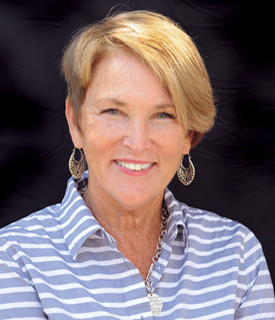 Kathleen McCarrick, MSW, LSW
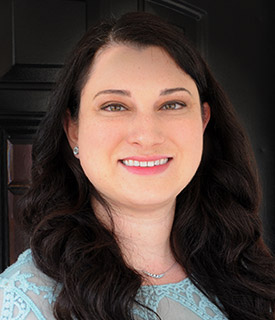 Alexis Weintraub, PsyD
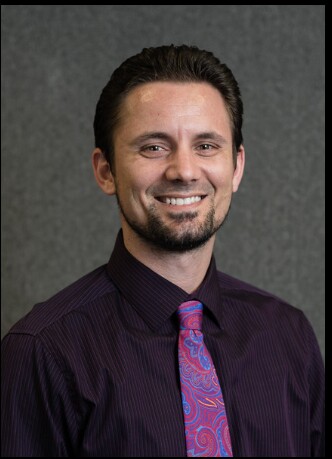 Jordan Granata, PsyD
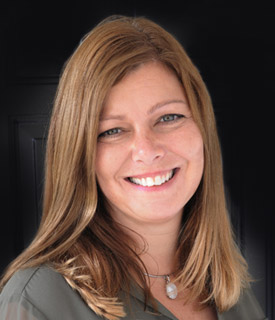 Joanne Talbot-Miller, M.A., LMFT
 Brittany Perkins, MA, LMFT
 Brieana Turner, MA, LMFT
 Milena Dun, PhD
 Rebecca McKnight, PsyD
 Laura Hopper, Ph.D.
 Nathan Kuemmerle, MD
 Jeffrey Klein
 Mark Melden, DO/DABPN