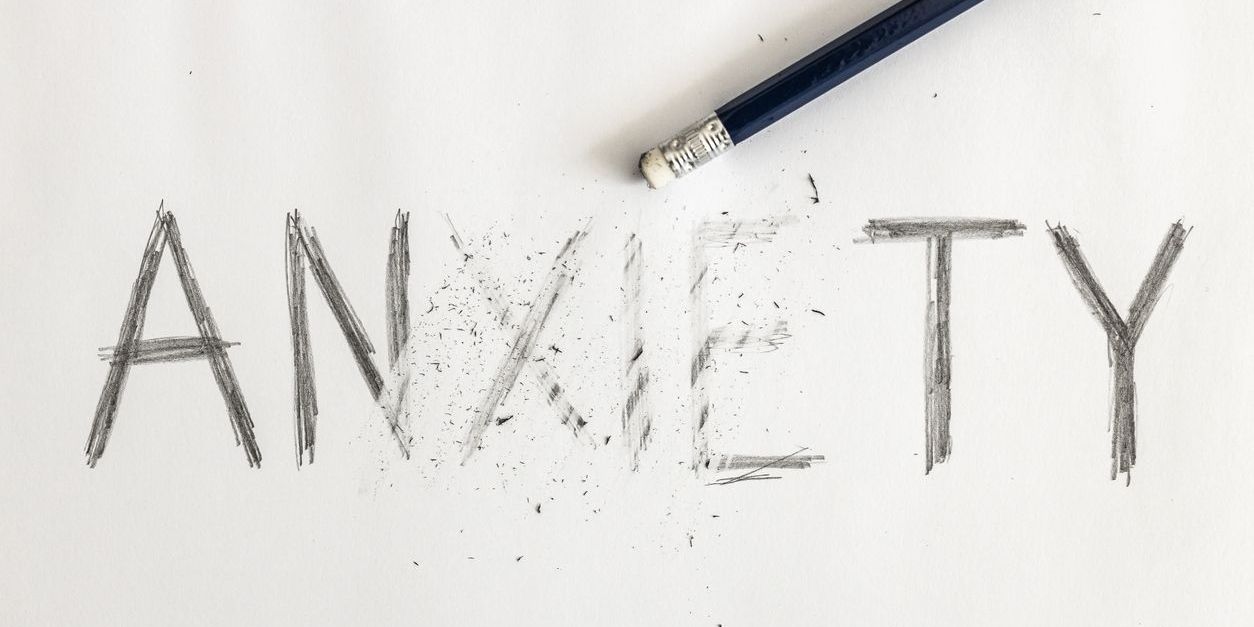
Summary: The risks of Xanax® and benzodiazepines for anxiety treatment include developing an addiction disorder and ultimately more severe/extreme symptoms of anxiety than were present before treatment with Xanax and/or other benzodiazepines began.
Key Points:
- Xanax® is the trade name for alprazolam, a sedative medication in a class called benzodiazepines.
- Benzodiazepines are a common first-line, but temporary, treatment for severe anxiety and/or panic attacks and panic disorders.
- Many people with anxiety understand the dangers of Xanax benzodiazepines for anxiety treatment, but the risks and potential for misuse are not as well known among the general public.
About Xanax
Xanax is a member of a class of drugs called benzodiazepines, which are central nervous system depressants.
All benzodiazepines are controlled substances.
Although they’re used clinically to help treat a variety of symptoms and disorders, benzodiazepines have a high risk of disordered use – a.k.a. addiction – and can lead to dangerous withdrawal symptoms. Many people take alprazolam to help manage anxiety, but eventually build physical and psychological dependence.
How Does Xanax Work?
When an individual takes a benzodiazepine, the drug interacts with the GABA receptors in the central nervous system. GABA is the main inhibitor of the central nervous system. When a person experiences anxiety, GABA receptors calm them down. Alcohol also affects these receptors and can produce similar effects and withdrawal symptoms.
With a half-life of about 11.5 hours, Xanax effects generally last 4-6 hours. It’s generally detectable in the bloodstream for 4-7 days after the last use, depending on the dosage. When taking Xanax, tolerance builds quickly. Tolerance is the phenomenon wherein a user needs to take more of a drug to achieve the same effect. As the brain and body become accustomed to Xanax, an individual may need to increase dosage.
Is it Possible to Overdose on Xanax/Benzodiazepines?
Yes.
Overdose risk is highest when benzodiazepines like Xanax are taken with other drugs: we’ll explain below.
Xanax is one of the most commonly misused drugs in its class. When taken alone, overdose is unlikely, but taking too much Xanax may cause unpleasant symptoms. The dangers of Xanax overdose become more serious when the medication is mixed with other substances. Mixing benzodiazepines with other depressants is very risky and can result in an unintentional overdose.
Xanax overdose occurs most often when mixed with alcohol or opioids. Because alcohol and opioids cause different types of central nervous system depression, combining them with Xanax can be fatal. The risk of death comes from collapsed lungs, decrease in heart rate, and lack of oxygen and blood to the bran and body.
Symptoms of Xanax Overdose
Xanax overdose symptoms vary from individual to individual and are influenced by a variety of factors, including:
- Dosage
- Duration of use
- Level of tolerance
- Presence of other drugs were taken
- Weight
- General health
Symptoms of Xanax overdose may include:
- Drowsiness
- Difficulty focusing
- Loss of balance and motor skills
- Uncontrollable trembling
- Dizziness
- Muscle weakness or fatigue
- Fainting/loss of consciousness
- Difficulty or labored breathing
- Coma
Because of the high risk of overdose, it’s important for anyone who misuses Xanax to understand the dangers of Xanax and seek professional treatment as soon as possible. If a person regularly misuses Xanax along with other drugs such as alcohol or opioids, risk of overdose increases, which means finding treatment is imperative.
Xanax Withdrawal and Detox
Because tolerance and disorder use can happen quickly, many individuals experience withdrawal symptoms upon cessation of use. Even when taken exactly as prescribed, discontinuing Xanax can be quite uncomfortable. And without proper medical attention, it’s dangerous: complications of withdrawal can be severe, up to and including death.
Symptoms of Xanax withdrawal may include:
- Difficulty sleeping
- Anxiety and panic attacks
- Irritability and anger
- Shaking and trembling
- Difficulty concentrating and paying attention
- Nausea and vomiting
- Muscle pain and stiffness
- Irregular heartbeat
- Seizures
- Coma
At a professional detoxification facility, trained doctors and clinicians can help people with benzodiazepine addiction mitigate the most difficult symptoms of withdrawal. They can minimize discomfort and respond immediately to any medical emergency. Whether an individual misuses Xanax or takes it as prescribed, it’s crucial to consult with a doctor before discontinuing use.
After Xanax Overdose: Treatment for Substance Use Disorder (SUD)
If an individual overdoses on Xanax, it’s likely they need treatment for substance use disorder (SUD). However, only a medical professional can diagnose SUD. Therefore, after an overdose, the most important step is arranging full evaluation for addiction/SUD administered by a mental health professional.
After assessment, diagnosis, and detox, it’s important to find high-quality, evidence-based treatment. If the individual has a co-occurring disorder mental health disorder, the best treatment approach is integrated, comprehensive, and holistic. It involves addressing all aspects of addiction and considering the physical, emotional, and social factors that may contribute to both addiction and mental illness: this person-first approach gives people with co-occurring addiction and mental health issues the best chance of achieving sustained, lifelong recovery.
Finding Help for Xanax Addiction: Resources
If you or someone you know needs professional treatment and support for a co-occurring benzodiazepine and mental health disorder, please contact us here at Crownview Co-Occurring Institute: we can help. In addition, you can find support through the following online resources:
- The Substance Abuse and Mental Health Services Administration (SAMHSA): Finding Help
- U.S. Government Comprehensive Treatment Finder: Search For Treatment – FindTreatment.gov
- American Psychiatric Association (APA): Treatment Locator
- SAMHSA: Early Serious Mental Illness Treatment Locator
 Kimberly Gilkey, RADT-1
 Amanda Irrgang, Registered Dietitian Nutritionist (RDN)
 David Abram
 Emily Skillings
 Michelle Ertel
 Alexandria Avalos, MSW, ACSW
 Jovanna Wiggins
 Kelly Schwarzer
 Timothy Wieland
 Amy Thompson
 Gianna Melendez
 David Dalton, Facility Operations Director
 John P. Flores, SUDCC-IV-CS, CADC II
 Jodie Dahl, CpHT
 Christina Lam, N.P.
 Kathleen McCarrick, MSW, LSW
 Alexis Weintraub, PsyD
 Jordan Granata, PsyD
 Joanne Talbot-Miller, M.A., LMFT
 Brittany Perkins, MA, LMFT
 Brieana Turner, MA, LMFT
 Milena Dun, PhD
 Rebecca McKnight, PsyD
 Laura Hopper, Ph.D.
 Nathan Kuemmerle, MD
 Jeffrey Klein
 Mark Melden, DO/DABPN